2025 Sustainable Holiday Market: Vendor Guide
Thank you to everyone who joined us at our Holiday Market — and if you couldn’t make it, we’ve got you covered.
This page features the incredible local makers, artists, and sustainable brands who participated in the market. Each vendor is doing thoughtful work to reduce waste, support their community, and create products with intention. You can shop them online year-round using the links below.
Supporting small businesses is one of the most impactful ways to vote with your dollars — especially during the holidays!
BK Rot
New York City's first community-supported, bike-powered, fossil fuel free food waste hauling and composting service. Support their work.
Boothworldwide
Ucycled/handmade accessories. Shop here.
Brooklyn Creative Reuse
BCR serves a diverse and vibrant community of artists, educators, and environmentally conscious individuals, with a focus on underrepresented groups, including LGBTQIA+ individuals, low-income families, and BIPOC artists. brooklyncreativereuse.org
ByrdbbArt
Recycled and sustainable jewelry out of discarded items and organic material. Shop here.
Crescent Street Design
Eco-friendly cards, notecard sets, and thoughtful gifts crafted with purpose—small batch, responsibly made, beautifully designed. Shop here.
Cyanotypes by Emily Stern
Shop her cyanotypes here.
Gemini & Capricorn Eclectic Vintage
Vintage clothing, jewelry and accessories. Shop here.
knittedbyELLA
Handknit winter accessories for adults and kids. Shop here.
Lenore Solmo
Upcycled artwork made from discarded plastic. Shop here.
Michal Nachmany Art
Artwork and collages. Shop here.
Offbeat Bakery
Black-owned vegan bakery. Shop here.
Pram N Proper
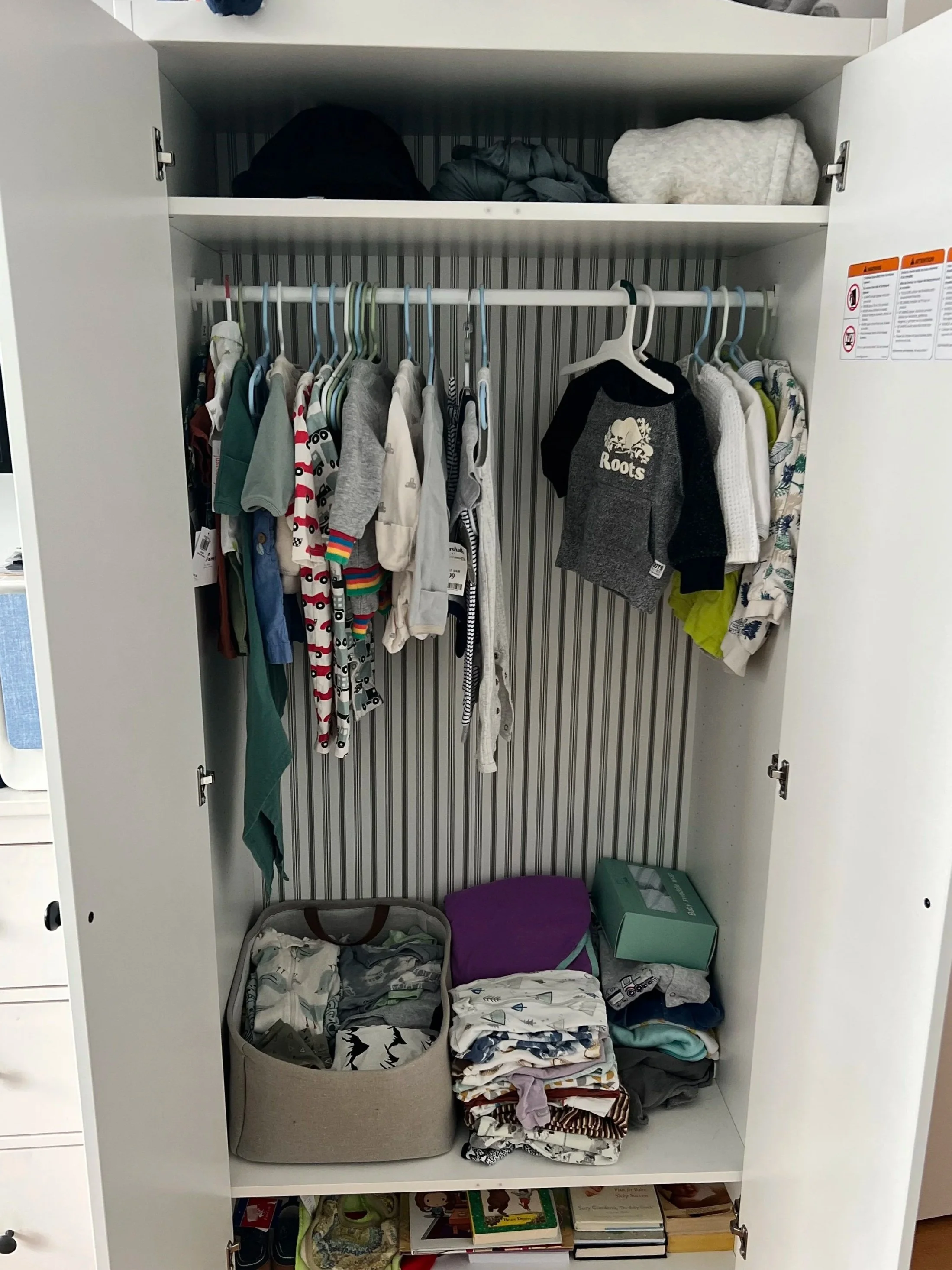
Sustainable baby gear, bedding, clothes, and toys. Shop here.
pear ware
Handmade jewelry and wearables. Shop here.
Separating Skies
handmade trains, paper illustrations, stickers, and greeting cards. Shop here.
Thanks a Ton
Greeting cards that remove carbon! Shop here.
A Thrifted Catch
A curated online vintage boutique selling clothing, jewelry, and accessories from the 90s and earlier. Shop here.
Trash Bandit
Handmade bags and accessories with pre-consumer textile waste and deadstock materials. Shop here.
UltraFresca
Upcycled, handmade accessories. Shop here.
Take Action for Zero Waste in New York
Demand Packaging Reduction Now!
Urge your senator to support the Packaging Reduction and Recycling Infrastructure Act (S1464)
Strengthen the Bottle Bill
Sign on to expand and pass the Bigger Better Bottle Bill (S2351)
Make Your Voice Heard Locally
Connect with your NYC Community Board and speak up on waste and recycling issues.
Contact Your State Leaders
Call or email your NYS Senator and Assembly Member to support zero-waste legislation.
Show Up & Stay Informed
Sign up for updates on public hearings for NYC’s Solid Waste Management Plan.
Sip & Solutions March 11, 2025: Post-Event Resources!
Station 1: Consumer Choices, Waste, and Climate Action
with Katerina Bogateriva and Leah Shoot
Vote with your dollar - support local whenever possible!
Shop local and small businesses like
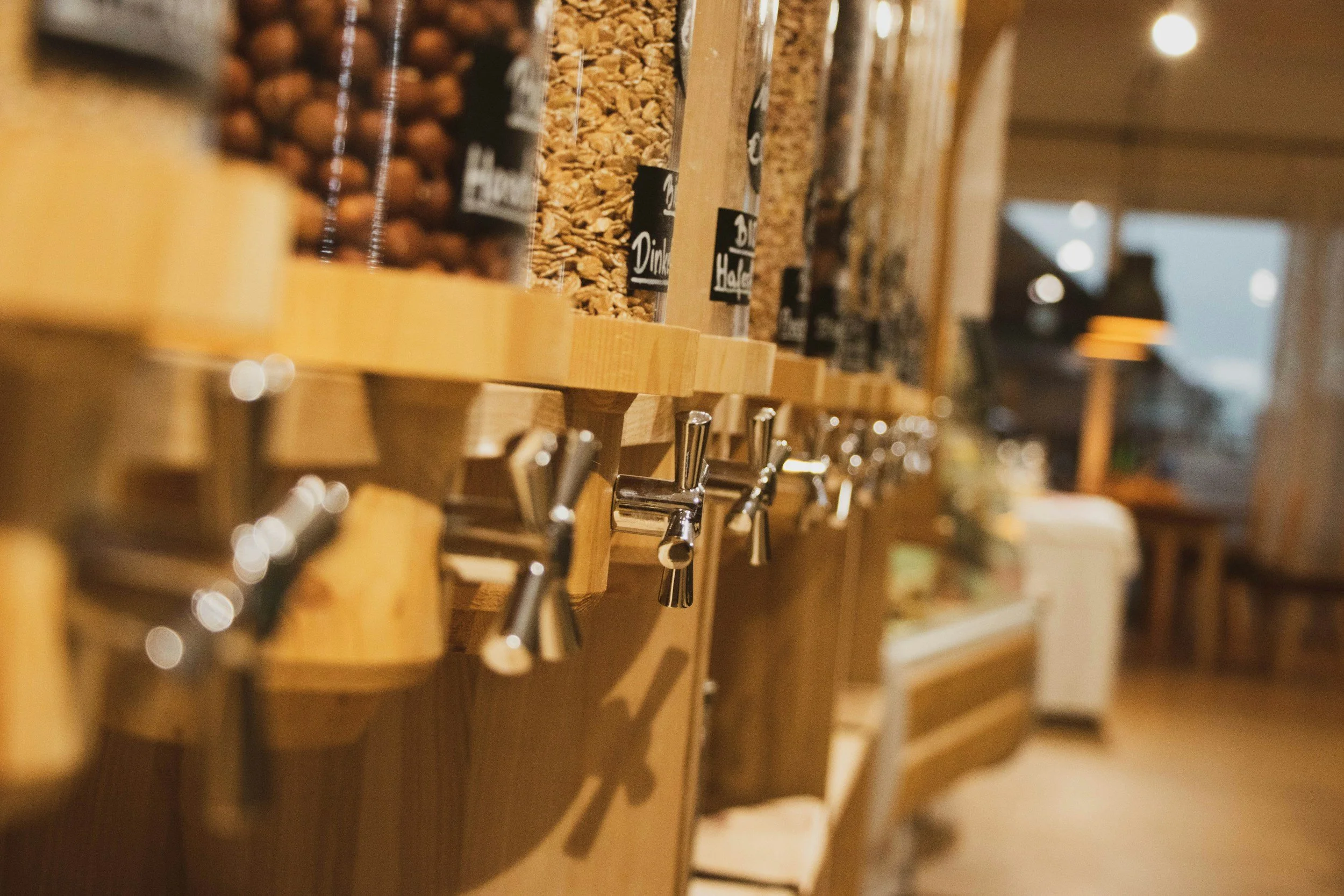
Precycle for package free produce, bulk food and home goods.
Farm to People - farmers market delivery service
Grow NYC - farmers markets throughout the five boroughs
Earth & Me, Maison Jar, A Sustainable Village, Common Good, 4th Street Food Co-op, The Park Slope Food Co-op, and find more on Litterless - a fantastic resource!
Look for third party certifications like EWG, B-Corp, 1% for the planet, The Global Organic Textile Standard (GOTS), Rainforest Alliance Certified, and more
Follow accounts like @commonsearth, @polluterspay, @sunrisemvmt
Station 2: Environmental Justice
with Hana Epstein, Sustainability Specialist at the NYC Public Schools Office of Energy and Sustainability
Climate change impact projections (eg. Flooding)
Vulnerability indices
Transportation hub locations
Various environmental justice issues: heat, flooding, air quality, etc
Actionable steps for all New Yorkers
City-wide environmental justice initiatives and resources
Upcoming environmental justice reports
Climate change hazards
Various campaigns
NYC Climate Justice Hub
Climate justice webinars
Recommended organizations to follow:
Upcoming events:
Station 3: Advocacy and Local Legislation
with Delia Kulukundis of 350 Brooklyn
City Council:
Look up your NYC Councilmember and give them a call to install new water fountains and ban plastic turf.
Find yours here: https://council.nyc.gov/districts/
Here’s a suggested script - feel free to personalize:
“Hi, my name is _____ and I am a constituent living in _______ (neighborhood). I’m calling to ask the Councilmember to cosponsor and work to pass two pieces of legislation that will cut New York’s plastic pollution and help protect our health. One is the Hydration for All Act - Intro 0900, which would install 500 new water fountains and bottle fillers across the city. The other is a ban on new artificial turf fields in NYC Parks, Intro 1202. Both of these would help keep plastic pollution out of our waterways and our bodies. Please cosponsor both of these bills and work to pass them as soon as possible. Thank you.”
New York State legislature:
Look up your NY Assemblymember and give them a call to pass the NY HEAT Act.
https://nyassembly.gov/mem/search/
Here's a suggested script - feel free to personalize, especially if you've seen your utility bills go up recently:
“Hi, my name is ____ and I am a constituent from __________ (zip code). I’m calling to urge Assemblymember ______ to pass the NY HEAT Act, A4870. We can’t wait another year for cleaner heat and lower bills - if we don't pass NY HEAT, we'll keep seeing our utility bills go up and up. Please pass this common-sense bill today.”
Learn more about the Packaging Reduction and Recycling Infrastructure Act and take action using Beyond Plastics' excellent toolkit here.
Zero Waste NYC Workshop 2021 Holiday Gift Guide
A comprehensive gift guide to help you shop more sustainability this holiday season.
Zero Waste NYC Workshop
2021 Holiday Gift Guide
Hi everyone! Nicole here, Founder of Zero Waste NYC Workshop. Welcome to our 2021 Holiday Gift Guide!
The holidays are definitely an exciting time of year. Last year, most of us spent the holiday season in quarantine, away from our family, friends, and loved ones. This year, many of us will be traveling and reconnecting with the people we are closest to.
In a perfect, (zero waste) world, none of us would travel, we wouldn’t buy new things, and nothing would ever go to landfill. Unfortunately, that’s not the world we live in and it’s not very realistic.
That’s where this guide comes in. As most of you know, I will never be the one to tell you you can’t do this, or you shouldn’t do that. The reason I do what I do for this audience is to provide sustainable alternatives to things I already know most of us (including me) are going to do anyway. Of course, I hope there are some lifestyle changes you make as well, as a result of our workshops, but for the most part, you do not have to completely overhaul your lifestyle to lower your impact on the planet. It actually doesn’t take much work, once you establish new habits.
Alright, now let’s dive in!
Keep in mind that I may receive commissions when you click on the links below and make purchases. However, I vet all the brands and makers that I work with very carefully and do my best to ask the right questions so I am only providing the best and most sustainable recommendations.
Physical Gifts
For the Home & Pet
Earth Hero
EarthHero is a one-stop online shop for all things zero waste. One of the things I love most about them is their strict, 5-step sourcing methodology, where they ensure every brand and product on their site meets a certain standard for sustainable materials, manufacturing, packaging, and give-back. Every order is shipped carbon neutral and plastic free!
They are also part of 1% for the Planet and a Certified B Corp
Right now, EarthHero is offering 20% off site-wide and they are planting 5 trees with every order through 12/1!
Follow them on Instagram @shopearthhero
Grouphug Solar
I absolutely love this company. They make “ridiculously good looking solar panels that are easy to use.” How cool is that? And who doesn’t love a good Zoolander reference…
Grouphug launched in 2019 by product designer Krystal Persaud, who is one of the most awesome, badass women I know making her mark in sustainability right here in NYC. And, they don’t just sell solar panels, they also host free solar education workshops for the community.
Their Window Solar Charger is easy-to-install, stylish, and it charges your devices with the power of the sun. It really looks like a beautiful work of art in my living room window! And last, but definitely not least, Grouphug give 5% of proceeds to Native Renewables, an indigenous-owned solar nonprofit.
Gift a Window Solar Charger to a friend or loved one. Shop now through Cyber Monday for great deals!
Follow them on Instagram @grouphugsolar
Chippin
Chippin sells high quality dog food and treats that are also sustainable. They are a woman-owned, small business that care about the well-being of your pet, AND the planet. Their mission is to “reduce the carbon pawprint,” and they do so by sourcing only the most sustainable ingredients in their products. In fact, their products use 80%+ fewer resources.
Some common ingredients they use are Silver Carp, which is an over-populated and invasive species ( by buying Silvercarp, Chippin is actually helping to preserve the Great Lakes), Cricket, and Spirulina, which removes CO2 from the atmosphere!
Chippin is a great gift for family and friends that have pups! They’re offering 15% off for Friends of Zero Waste nYC.
Use Code ZEROWASTE
Follow them on Instagram @chippintime
Clothing, Accessories & Jewelry
Blue Urbane
Blue Urbane is New York City-based online sustainable fashion boutique. When Emily, the founder, became aware of the harsh environmental impacts of the fashion industry and specifically, fast fashion companies, she educated herself about slow fashion and started Blue Urbane to offer high-quality, sustainable materials made by women.
Emily carries handmade jewelry (crafted in the USA or fair trade in India) and small-batch clothing and accessories mostly made from upcycled or deadstock fabric. Blue Urbane also donates part of their proceeds to the development of solar energy through the Honnold Foundation.
Blue Urbane is offering 20% to Zero Waste NYC followers. Use the code ZEROWASTE20
Follow them on Instagram @blueurbane
Ultimate Diamond
Most of you know by now that I got my lab grown engagement ring from Ultimate Diamond in the Diamond District. What you might not know is that lab grown doesn’t just have to be about engagement rings, they also make great gifts. Lab grown diamond stud earrings are perfect if you’re looking for something special for a loved one, but can’t afford the price tag of natural diamonds.
To shop studs for this holiday season, email Ultimate Diamond’s private sales concierge, Danielle at danielle@ultimatediamond.com
Follow them on Instagram @ultimatediamondco and @thatblingbabe
Kids & Baby
Diaperkind
Being a new parent is hard! Being a new parents who is also looking to reduce the environmental impact of diapers on our landfills and natural resources is even harder.
Diaperkind is a cloth diaper service and shop that serves the NYC and NJ areas. Their prefold cloth diapers are organic cotton and the products are sustainably made. They make cloth diapering convenient by providing the diapers, as well as a pickup/drop off and washing service.
Consider a gift certificate to Diaperkind for a new, or soon-to-be parent in your life!
Follow them on Instagram @diaperkind
Personal Care
Tree*Star
TREE*STAR is another local, NYC company. They make awesome soaps using premium, organic, food-grade, plant oils. They’ve partnered with One Tree Planted so that every purchase made plants a tree!
Their soaps are handmade right here in NYC and come in really cool scents like Lemongrass and Poppy Seed and Tumeric, Orange and Ginger.
TREE*STAR makes the perfect holiday gift or stocking stuffer!
Other Great
Gift Ideas
Simple Switch
You’ve probably heard the phrase “vote with your dollar.” In this case, you really can.
Simple Switch believes in Positive Impact Purchasing, so everything for sale on their website has a positive impact on our world and the people in it. You can filter by impact areas such as Environmental (find a brand that plants trees, or one that’s plastic-free) or Social like empowering women or supporting education.
MPOWERD
MPowerd creates sustainable, affordable solar light products. I have a set of their solar powered string lights that I use during the summer to jazz up my balcony (and it charges my phone too!). Not only are their products cool and useful, but each product sold helps us provide clean energy to people around the world who need it most. They’re also a certified B Corp!
Pela case
Pela is a great option if you want a sustainable alternative for your phone case, but if you’re gifting it to someone, please make sure you educate them on how to properly dispose of a Pela Case at its end of life. The cases can be composted in a commercial facility where available (look into compostingcouncil.org to locate your nearest industrial composting facility and see if they accept bioplastics). However, if your city does not have an industrial composting facility, or does not accept compostable bioplastics, you can send your old Pela Case back to the company so they can reuse the material.
ECOlunchbox
These stainless steel food containers are great for kids and adults! ECOlunchbox makes non-toxic, stainless steel lunch boxes and artisan-made lunch bags to provide zero-waste solutions for consumers. This is the perfect gift for someone in your life who is trying to live a plastic-free lifestyle.
Green Kid Crafts
Green Kid Crafts is empowering the next generation of environmental leaders using creative, nature-based STEAM activities.
Through a partnership with One Tree Planted, Green Kid Crafts plants one tree for every order placed. They make the perfect alternative to plastic toys!
The gift of reuse
Gifting something that a friend or loved one can reuse is a fun way to introduce them to the world of low waste living. It’s also a great way to support your already low waste living friend. :)
Mason jar gifts are an awesome way to show off your cooking skills. Cakes, cookie mixes, and even savory treats look so much nicer in a mason jar! Finish it off with some ribbon (upcycled of course!) and you’ve got a beautiful, reusable gift!
Some other ideas:
Reusable coffee cup
Reusable water bottle
On-the-go cutlery set
SodaStream
Reusable makeup wipes
Safety razor
Bees Wrap
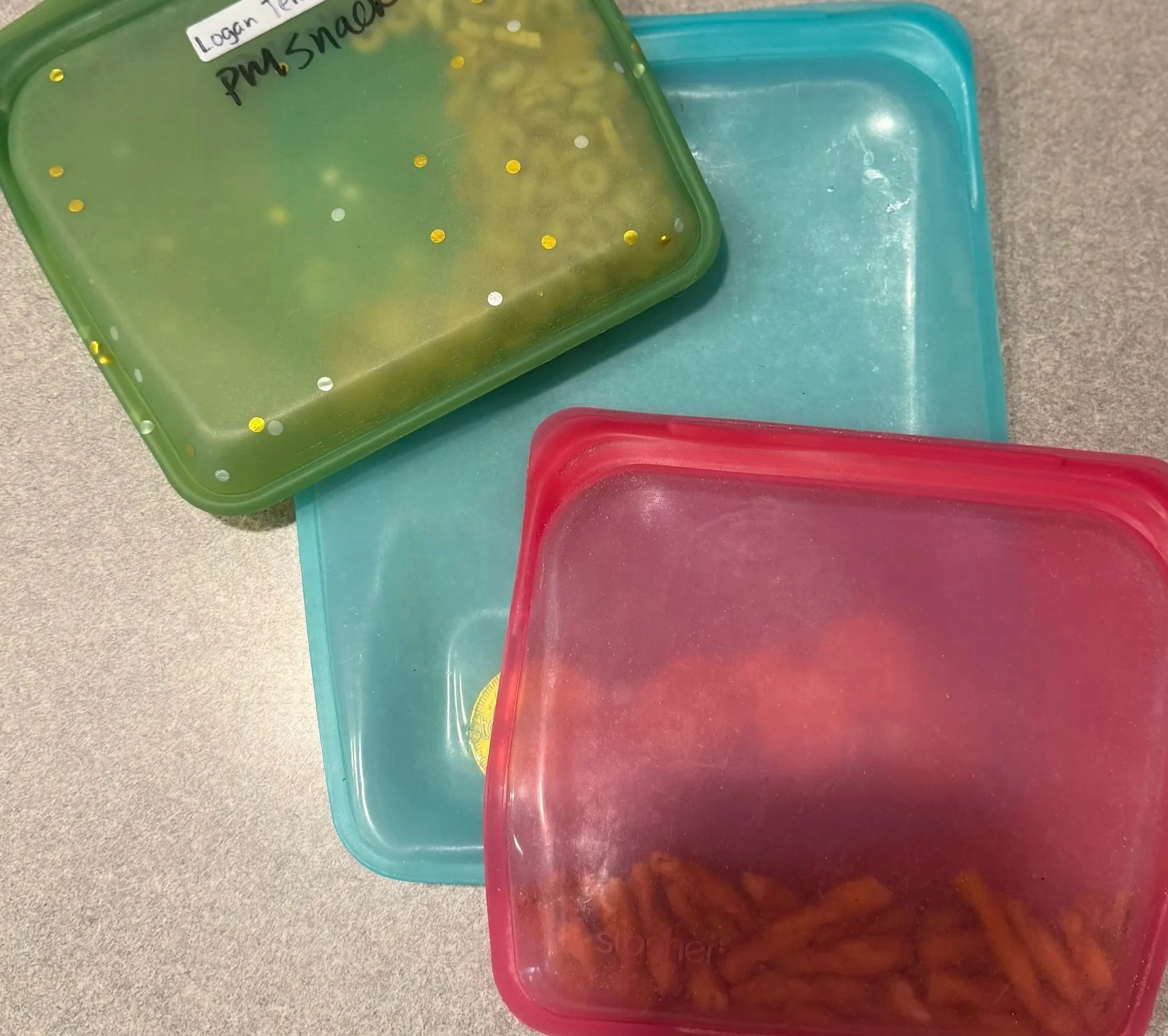
Stasher Bags
Experiences & “non” Gifts
In my opinion, as someone who lives a very low waste lifestyle, the best types of gifts are experiences. It allows you to feel like you are giving someone something but doesn’t come with the burden of end-of-life disposal for the gift recipient.
Here are some ideas:
Restaurant Gift Card
Eventbrite gift card, or tickets to virtual events!
Airbnb or Airbnb Experiences
CourseHorse, Skillshare, Coursera gift card
Duolingo, Babbel, or Rosetta Stone gift card
Audiobook subscription to Kindle, Nook, Audible.com, or Scribd.
Audm subscription
Luminary subscription
Subscription to any other form of online entertainment like Spotify, Netflix, HBO Max, etc. Seriously, if someone paid for six months of Netflix for me, I would be thrilled!
Pay for one month of their gym or fitness studio membership
And Another idea: Donations!
You know those people in your life that already seem to have everything and you never know what to buy them? Making a donation on someone’s behalf for a cause they care about is the perfect solution!
Some suggestions on local NYC based organizations who are fighting climate change you can donate to:
Sanitation Foundation
Grow NYC
LES Ecology Center
Big Reuse
Earth Matter
Surfrider NYC
WE ACT for Environmental Justice
NYC Environmental Justice Alliance
Sunrise Movement
Earth Justice
350 NYC
Community Mutual Aids
Community Fridges
Low waste
gift wrap
Low waste gift wrapping tips:
Use brown Whole Foods or Trader Joes bags that you have lying around
Plantable seed paper
Ribbons will usually get tangled in equipment at recycling centers. Use twine or hemp or any string from natural fibers that can be composted, and use real items as adornments (cinnamon, vanilla or real plants!).
Scrap fabric - think about clothing you have set aside to donate and cut pieces of fabric from that.
Paper tape
Fabric, or the item as wrapping paper. Example: scarf, pretty dishcloth, cloth napkin or produce bag.
Speaking of fabric as the wrapping paper, try Furoshiki! Furoshiki is a Japanese style of fabric wrapping using a square piece of cloth. The word refers both to the craft and to the cloth itself, which usually has an elegant, decorative design. Furoshiki has become increasingly popular with cultures around the world as it has transformed the art of gift-giving. Check out how to do it here.
Hope you enjoyed this year’s Sustainable Holiday Gift guide and that you find the perfect low waste gifts for your loved ones.
Happy Holidays Everyone!
RESOURCE GUIDE | January 2021 Workshop: The Intersection of Racism and the Environment Part II
Our December workshop was about Sustainable Food Systems. We covered food waste, organic farming, local food, composting, and food insecurity. Below are resources and links from the event!
Our January workshop was part II to a discussion we started in June 2020. We talked about environmental racism and justice, food justice, the events at the Capitol on January 6th, and ways we, as individuals, can get involved with helping to combat these inequities.
Our Partner
Learn more about Sanitation Foundation: sanitationfoundation.org, and follow them on Instagram, @sanitationfoundation.
Our Sponsors
Huge thanks to our Title Sponsor, Con Edison!
Read more about their vision for renewable energy here:
https://www.coned.com/en/our-energy-future/our-energy-vision
and their grants programs, here:
https://www.coned.com/en/community-affairs/partnerships/apply-for-a-grant
Thanks to Royal Waste Services for their sponsorship!
Learn more about their work here: https://royalwaste.com/
Click here to sign up for more information on Royal Waste’s services: https://docs.google.com/forms/d/e/1FAIpQLSd1Kuf6rtuLwkBmQX9S_oMjTi93fiONJBocDt9fdW_Nb0H5SA/viewform?vc=0&c=0&w=1&flr=0&gxids=7628
The Panelists
Arielle V King: Environmental Justice Advocate and Law Student
Learn more about her work: @ariellevking
Contact her: ariellevking@gmail.com
Raina Kennedy: Worker-owner of Brooklyn Packers
Learn more about their work: www.brooklynsupportedagriculture.com/
Follow them here: @brooklynpackers / @brooklynsupportedagriculture
Support them here: Venmo @BKLovesVeggies
Contact her: raina@brooklynpackers.com
Eric Stephens: Sanitation Worker
Learn more about DSNY’s work: https://www1.nyc.gov/assets/dsny/site/about
Contact him: stephensconsullting@gmail.com
Janie Nesbitt: Administration Manager, Training Coordinator at DSNY
Connect with her: https://www.linkedin.com/in/janie-nesbitt-70809419a/
Recommended Reading & Listening:
Books
*Please support your local book shop and don’t order these from Amazon or another chain book seller! Or better yet, take it out from the library or borrow from a friend :). The links are to the author’s website or publisher. I’ve only included Amazon if that’s what the author linked to.
Clean and White: A History of Environmental Racism in the United States
Toxic Communities: Environmental Racism, Industrial Pollution, and Residential Mobility
There’s Something in the Water: Environmental Racism in Indigenous & Black Communities
Noxious New York: The Racial Politics of Urban Health and Environmental Justice
Articles
Toxic Waste and Race Report: https://www.nrc.gov/docs/ML1310/ML13109A339.pdf
EJ Principles: https://www.nrdc.org/sites/default/files/ej-principles.pdf
LEED Certified waste facility, Spring Street Garage: https://www.sanitationfoundation.org/ohny
Waste Equity: https://www.nyc-eja.org/campaigns/solid-waste-transfer-stations/
What is Environmental Justice? http://greenaction.org/what-is-environmental-justice/
Wasted Opportunities: New York City’s Misplaced Budget Priorities Fail Marginalized Communities and Us All: https://www.gothamgazette.com/opinion/9686-wasted-opportunities-new-york-city-budget-fail-communities-environmental-justice
DSNY Strategic Plan, including SWMP: https://www1.nyc.gov/assets/dsny/site/about/strategic-plan
A Look at Why Environmentalism is So Homogenius—And How Organizations Might Cultivate Genuine Diversity: https://ensia.com/features/environmental-workforce-diversity-systemic-racism/
Learn About Environmental Justice: https://www.epa.gov/environmentaljustice/learn-about-environmental-justice
The Links Between Racism and the Environment: https://www.nytimes.com/interactive/2020/06/05/climate/racism-climate-change-reading-list.html
Podcasts/Videos:
Living Downstream, NPR: https://www.npr.org/podcasts/655974992/living-downstream
For the Wild: https://forthewild.world/about-us
For the Movement: https://www.stitcher.com/show/for-the-movement
Episode: Making The Climate Movement Anti-Racist w/ Dr. Robert Bullard: https://climate2020podcast.com/episodes/episode-42
Everything Is Race: https://www.wnycstudios.org/podcasts/otm/segments/everything-race
Breathe Easy, a short story about the pollution problem in the South Bronx: https://vimeo.com/11327858
Organizations
NYC-EJA
WE ACT
GAIA
CJA
Soul Fire Farm
GAIA (Global Alliance for Incinerator Alternatives)
Solid Waste Advisory Boards in each NYC borough
Advice from our panelists:
Janie:
Start by getting involved! Attend your local community town hall meeting, or tenants association meeting
Talk to others and find out what problems you can help with, and offer your services for.
Arielle:
Listen, be a support system. Don’t assume you know what it’s like to live through these experiences.
Read and do research! Find an important topic that you care about and dive into it.
“Going zero waste is a part of anti-racism work,” since waste transfer stations and their locations affect the BIPOC community in a big way
Raina:
Compost!
Find your local Mutual Aid group and see how you can get involved
Learn and listen
Sign up for a local food service or CSA like Brooklyn Supported Agriculture
Eric
Support local
Don’t just talk about the problem, contribute to the solution. Ask if you can volunteer your time to an organization if you can’t make a monetary donation.
Write letters to your local council members
Consider starting your own farm and sharing with neighbors!
Start a food co-op in your building
Zero Waste NYC Workshop and Sanitation Foundation:
Call your local council members in NYC, contact them on social media, write to their office. They work for us! And consider talking to council members who are currently running because they will probably be more open to working directly with you.
Support local, especially businesses run by BIPOC
Ask questions when you do research. Do not be afraid to ask establishments where they source their food or other materials. You have the RIGHT to know.
Order directly from local restaurants instead of through delivery apps
We hope to see you at a workshop soon! Follow us on Instagram @zerowastenycworkshop and sign up for a future workshop at: https://www.zerowastenyc.info/upcoming-
RESOURCE GUIDE | Dec 2020 Workshop: Sustainable Food Systems
Our December workshop was about Sustainable Food Systems. We covered food waste, organic farming, local food, composting, and food insecurity. Below are resources and links from the event!
Our Partner
Learn more about Sanitation Foundation: sanitationfoundation.org, and follow them on Instagram, @sanitationfoundation.
Don’t forget to apply for their internship! https://www.sanitationfoundation.org/work-with-us and click here for the full job description.
Our Sponsors
Huge thanks to our Title Sponsor, Con Edison!
Read more about their vision for renewable energy here:
https://www.coned.com/en/our-energy-future/our-energy-vision
and their grants programs, here:
https://www.coned.com/en/community-affairs/partnerships/apply-for-a-grant
Thanks to Farm.One for their sponsorship!
Learn more about their work here: https://farm.one/
and sign up for plastic-free weekly greens, here. Don’t forget to use code ZEROWASTENYC for 25% off!
Thanks to Royal Waste Services for their sponsorship!
Learn more about their work here: https://royalwaste.com/
Email johnr@royalwaste.com to discuss service levels for organic composting services at your property!
The Panelists
Qiana Mickie - Food Systems and Equity Consultant
Learn more about her work: https://qianajmickie.com/
Follow her here: https://www.instagram.com/ragamickie/?hl=en
Read/listen: https://linktr.ee/ragamickie
Matt Jozwiak - CEO of ReThink Food
Learn more about their work: https://www.rethinkfood.org/
Follow them here: https://www.instagram.com/rethinkfood/
Shop at their ReThink Cafe! https://www.instagram.com/rethinkfood.cafe/?igshid=18mbf5ibjgqk7
Erich McEnroe - Farm Operations Manager at McEnroe Farms
Learn more about their work: http://www.mcenroeorganicfarm.com/
Follow them here: https://www.instagram.com/mcenroeorganicfarm/
To learn more about education opportunities and programming, contact education@mcenroefarm.com
Tips for how to reduce your foodprint:
From Qiana:
Gain respect and understanding of what it means to grow your own food. And try it at home!
Support community-driven food models like CSA’s, farmers markets, or even buy direct from farmers and/or support local businesses that support local farmers (like Farm To People!)
Challenge yourself around where you donate. Are you supporting a charity because it makes you feel good OR is this charity working to dismantle the root cause of the inequity that it’s addressing?
Ask questions to farmers and restaurants! You deserve to know where your food is coming from.
Find new connections and partners in the community
Do more homework. Don’t just read the first article—push yourself to find out what’s going on in your community that you haven’t been aware of previously.
Diversify who/what you support in your community
From Matt:
When you clean out your fridge, look at what you are throwing away and then apply that to future food shopping trips so you’re not making the same “mistakes”
Buy from a farmers market!
Go directly to your restaurant to order food instead of using a food delivery app/service
From Erich:
Support local businesses
Explore cooking and preparing your own food more often
Consider food sharing with neighbors
Use a barter system! How about some fresh tomatoes from my garden for a bottle of wine?!
From us, Zero Waste NYC Workshop & Sanitation FOundation:
Have leftovers from a big meal that you can’t finish? Ask a neighbor or friend if they’d like some!
Donate food to your local community fridge
Know where your food comes from
Know the impact of the food you eat. Here is a great resource: https://www.nytimes.com/interactive/2019/04/30/dining/climate-change-food-eating-habits.html
Eat plant-based when possible (in general, beef and lamb have the biggest climate footprint per gram of protein, while plant-based foods tend to have the smallest impact. Pork and chicken are somewhere in the middle).
Shop local food. Some great options are community farmer’s markets, CSA’s, produce delivery service that works with local farms.
Be conscious of “sustainable” packaging. Compostable and biodegradable can be tricky, make sure you know how to properly dispose of them.
Avoid food packaging when possible. Key words being “when possible,” we know this is not easy!
Do a food waste audit and track the scraps you are tossing the most
Get creative with recipes using the entire fruit and vegetable! Follow @maxmaxlamanna he is amazing! Also, I love this book for more anti food waste recipes.
The sell-by-date is NOT the expiration date. It usually signifies the best time period for optimal quality and flavor, not that it’s unsafe to eat after that.
Crushed eggshells make great soil nutrients for your plants!
Saute the tops of vegetables like carrot tops. Or make carrot top pesto!
Another great resource for reducing food waste: Foodprint.org
A great resource for local compost drop-off and pick-up services: http://bit.ly/NYCdropofftracker
Some insightful reading that inspired this workshop:
http://www.fao.org/3/ca2079en/CA2079EN.pdf
https://hungerandhealth.feedingamerica.org/understand-food-insecurity/
https://civileats.com/2020/12/02/can-local-food-feed-big-cities-yes-if-we-cut-down-on-meat/
https://www.greenmatters.com/p/uk-farm-subsidy-redistribution
https://www.sprawlcalgary.com/community-gardens-calgary-northeast
https://abcnews.go.com/US/bill-black-farmers-reclaim-millions-acres-step-direction/story?id=74394647
https://blogs.imf.org/2020/07/14/why-sustainable-food-systems-are-needed-in-a-post-covid-world/
https://www.npr.org/2020/09/27/912486921/food-insecurity-in-the-u-s-by-the-numbers
We hope to see you at a workshop soon! Follow us on Instagram @zerowastenycworkshop and sign up for a future workshop at: https://www.zerowastenyc.info/upcoming-workshops
RESOURCE GUIDE | August 2020 Workshop: Plastic - Pollution, Reduction, Activism & Reusables during COVID
Our August workshop was about Plastic and how we as consumers can support reusables, become more aggressive in terms of legislation and activism and how we can put pressure on corporations to stop producing single-use plastic in the first place. Below are resources and links from our fantastic panelists.
Sanitation Foundation: SanitationFoundation.org
Instagram: @sanitationfoundation
Marti Richenstein: Co-chair of the Plastic Free Committee at 350 Brooklyn and Legislative Chair of Beyond Plastics
Break Free From Plastic Pollution Act (BFFPPA)
House and Senate Bills:
Beyond Plastics article recapping the bill:
https://beyondplastics.org/article/the-break-free-from-plastic-pollution-act/
Letter: Ask Your Store to Bring Back Reusables & Refillables During Covid
https://beyondplastics.org/article/ask-your-store-to-bring-back-reusables-refillables-during-covid/
Straw Bill Actions
September 9th: Tweet-a-thon Day
Sample tweet:
Good to see @NYCSpeakerCoJo using a metal straw. Time to bring Councilmember @HelenRosenthal proposal for Straws by Request up for a vote. Time to end #singleuseplastic.
September 10th: Call Corey Johnson Day
Sample call script and phone number:
Phone Number: 212-788-7210 (legislative office)
"Hi, my name is [YOUR NAME]. I'm calling from [YOUR NEIGHBORHOOD] to urge the Speaker Johnson to please bring Council member Rosenthal’s Straws by Request bill to a vote. This would require that plastic straws only be handed out upon request and not automatically be given to people. This is important to me because I am very worried about our growing plastic pollution crisis which is threatening our oceans and wildlife and also all our health."
Thank the staffer for taking your call. They may ask you to provide your full address to verify that you are a constituent and also offer to put you on their email list - that's up to you.
Post on social media and tune in to the live Zoom Meeting on September 9th at 12pm EST, here: https://us02web.zoom.us/j/2499601931?pwd=citPRGJJb3NtRDg1TndoL1IvRHdhQT09
Dr. Anu Anandaraja: Founder of Covid Courage
Website: www.covidcourage.is
Twitter: @covidcourage
Instagram: @covidcourage.is
NY1 news piece about Reusable Respirator project: https://www.ny1.com/nyc/all-boroughs/news/2020/08/10/public-advocate-jumaane-williams-calls-on-city-for-reusable-ppe
Info and letter to Gov Cuomo and Mayor de Blasio about Reusable Respirators: https://advocate.nyc.gov/press/public-advocate-medical-professionals-call-sustainable-reusable-ppe-strategy/
Brochure about Brooklyn Sustainable PPE project: https://drive.google.com/file/d/19sPRUhaV_jufJXeh3neE6c6pcHgvyBz2/view?usp=sharing
Google signup sheet to get on the Covid Courage email list to learn about outreach and future actions (like a tweet-a-thon!)
Covid Courage general email (which they check all the time): contact@covidcourage.is
100+ scientists release Covid safety report: https://www.greenpeace.org/international/press-release/43730/reusables-safety-covid-19-health-experts-statement/
Ben Kogan: Founder of Reusable Solutions
Deliver Zero (zero waste takeout): www.deliverzero.com *For 10% off your first 2 orders enter code: plasticfree10 at checkout
If your favorite restaurant isn't on Deliver Zero yet tag them here: https://www.instagram.com/p/CEE38o3j72W/?igshid=k2ukdpoia3t
Save the Date: 9/30, Zero Waste Showcase co-hosted by Beyond Plastics: virtual event to highlight companies that are providing reusable solutions. Follow @reusable_solutionsnyc on Instagram for more details.
Sign the “We Want Reusables” Petition: www.change.org/wewantreusables
Other zero waste companies to check out:
Diaperkind (reusable cloth diapers): www.diaperkind.com/
CupZero (Reusable cups for bars, restaurants and events): www.cupzero.com/
Plaine Products (reusable personal care): www.plaineproducts.com/ *For 20% off enter 350BK at checkout (customer gets 20% off and 20% gets donated to 350 Brooklyn!).
RESOURCE GUIDE | July 2020 Workshop: Zero Waste Equity
Last night’s workshop was productive and insightful. At times it was uncomfortable but we need to have these conversations in order to grow.
You all know that I am all about ACTIONS you can take to make a difference. It’s always been, and always will be my goal to provide you all with actionable ways you can help to fight climate change, lower your impact on the planet, and fight for social justice and equality.
Last night’s workshop was productive and insightful. At times it was uncomfortable, but we need to have these conversations in order to grow as individuals, and as a collective group.
You all know that I am all about ACTIONS you can take to make a difference. It’s always been, and always will be my goal to provide you all with actionable ways you can help to fight climate change, lower your impact on the planet, and fight for social justice and equality.
Below is a compilation of all the resources the amazing panelists called out.
Compost in NYC:
Tracker of all the active food scrap drop-off sites that are open: bit.ly/NYCdropofftracker
To Read and Watch:
Books
Robin Nagle’s book ‘Picking Up’: https://us.macmillan.com/books/9780374534271
Heather Rogers’ book ‘GONE TOMORROW’: https://thenewpress.com/books/gone-tomorrow
Samantha MacBride's book ‘Recycling Reconsidered’: https://mitpress.mit.edu/books/recycling-reconsidered
Noxious New York: https://mitpress.mit.edu/books/noxious-new-york
The Color of Law: https://www.epi.org/publication/the-color-of-law-a-forgotten-history-of-how-our-government-segregated-america/
Articles
Why Now, White People? https://www.npr.org/2020/06/16/878963732/why-now-white-people
The BREATHE Act: https://breatheact.org/ or https://www.greenmatters.com/p/breathe-act-racial-environmental-justice
American Petrotopia: An Intimate History of Plastics: https://rebecca-altman.com/#new-page-2-section
'Asthma alley': why minorities bear burden of pollution inequity caused by white people: https://www.theguardian.com/us-news/2019/apr/04/new-york-south-bronx-minorities-pollution-inequity
Podcasts/Videos
Everything Is Race: https://www.wnycstudios.org/podcasts/otm/segments/everything-race
Breathe Easy, A short story about the pollution problem in the South Bronx: https://vimeo.com/11327858
Watch the Story of Plastic: https://www.storyofplastic.org/watch
Websites
Nonprofit civil rights advocacy organization: https://colorofchange.org/
Fighting Plastic: https://www.breakfreefromplastic.org/
Fighting Plastic: https://www.storyofplastic.org/
BIPOC*-centered community farm committed to ending racism and injustice in the food system: https://www.soulfirefarm.org/get-involved
Secondhand items: https://www.freecycle.org
Secondhand items: https://buynothingproject.org/
GAIA (Global Alliance for Incinerator Alternatives): https://www.no-burn.org/about-gaia/
Petitions
Live near an airport? What’s in the air you breathe? You have a right to know!: https://www.ipetitions.com/petition/eqa-live-near-an-airport-whats-in-the-air?fbclid=IwAR2IfmQdxyXnS8XQeu78c856BWBIMyFGxkAaek86Z697ktE5KBGTrb_KIyI
Protect Louisiana from Toxic Air, COVID-19 & Environmental Racism (via @browngirl_green): https://actionnetwork.org/petitions/tell-gov-edwards-protect-louisiana-from-toxic-air-covid-19
Fighting Corporations on Plastic Pollution:
Summary of the BFFPPA: https://www.surfrider.org/coastal-blog/entry/federal-break-free-from-plastic-pollution-act-introduced
Call your legislator to ask them to co-sponsor the bill: https://p2a.co/ltgfncf
#BreakFreeFromPlastic Brand Audit Toolkit: https://www.breakfreefromplastic.org/brandaudittoolkit/
From Single Use to Reuse is a collaborative effort of industry innovators, primarily America’s plastic makers, seeking to end plastic wastehttps://www.reuseplastics.org/learn/
Events:
GrowNYC Summer Garden Series 2020: https://www.eventbrite.com/e/grownyc-summer-garden-series-2020-tickets-109835484892?aff=ebdssbonlinesearch
Foundation for New York’s Strongest:
Learn more about the official nonprofit organization of the NYC Department of Sanitation and how they are working with businesses and the community to reduce waste: www.nycstrongest.org
Follow them on Facebook and Instagram to learn about upcoming events and volunteer opportunities: @strongestnyc
Other Ideas from Robin Nagle:
Start a communication campaign addressing a specific company’s packaging and plastics use
When Freegan tours start up again, take one (an eye-opening way to learn about food waste)
Join or start a skill-share around repair, reuse, recovery
Explore how well or badly your place of employment is recycling (but don’t lean on the maintenance person who’s emptying the litter baskets and recycling bins; it’s an institutional problem, not the fault of individual workers)
Communicate with local legislators to actually enforce the plastic bag ban that was supposed to go into effect on March 1
Communicate also about restoring food-scrap drop-off at local greenmarkets
EDUCATE YOURSELF, and then share what you’re learning
RESOURCE GUIDE | January 2020 Workshop: Recycling Therapy FAQ
In January, we hosted a workshop called “Recycling Therapy.” Those of you that attended got a chance to talk to SIMS Education Outreach Coordinator, Kara Napolitano from Sims Municipal Recycling Facility in Sunset Park, Brooklyn and ask her all your burning questions about recycling. We weren’t able to get to all of the questions that night, so we compiled a list of them all below, with answers from myself, Kara and DSNY.
In January 2020 we hosted a workshop called “Recycling Therapy.” Those of you that attended got a chance to talk to SIMS Education Outreach Coordinator, Kara Napolitano from Sims Municipal Recycling Facility in Sunset Park, Brooklyn and ask her all your burning questions about recycling. We weren’t able to get to all of the questions that night, so we compiled a list of them all below, with answers from myself, Kara and DSNY.
General Recycling
Q: How important is it to make sure your recyclables are CLEAN before recycling?
A: In New York City, recyclables placed in the blue bin (metal, glass, plastic, cartons), do not need to be perfectly clean for them to be successfully recycled. We do suggest you give items a gentle rinse, so as not to attract pests to your kitchens, but from Sims end, items do not need to be perfectly clean. However, please do not send us items that are fully or partially full!
Q: Can you trust the recycle labels? What if something has a recycle symbol but no number?
A: More important than checking if a product has a recycle label, check your municipality's website to see if that item is accepted in your local recycling program. If it is not, or if you are not sure, throw the item in the trash. When in doubt, throw it out! The How2Recycle label (view at How2Recycle.info) attempts to represent recyclability of products throughout the United States.
Q: How do you recycle milk cartons, coconut water bottles, other “waxy” cartons that are partially paper?
A: In New York City, ALL CARTONS go in the blue bin (metal/glass/plastic bin), that includes, coconut water bottles, juice boxes, soup cartons, all of it.
Q: Can yogurt cups really be recycled?
A: In New York City, all rigid plastic may be placed in the blue bin.
Q: How do you recycle cold pack/silver bags from Amazon Fresh or Instacart?
A: If they are made of soft plastic, it is a trash item.
Q: Who is actually buying the final bales from Sims if China has largely rejected this?
A: Sims has not been selling plastic bales to companies in China for some time now. For the past several years, our customers have been domestic with two in Canada. Most of our customers are located up and down the eastern portion of the United States/North America.
Q: What are the biggest pain points for recycling plants that they wish recyclers would do?
A: Please DO NOT put the following items into your recycling bin: plastic bags, tanglers (extension cords, cables, pieces of cloth), batteries or any electronics, other hazardous items such as sharps (syringes) or toxic chemicals.
Q: How do I recycle items with multiple materials?
A: Most items made of multiple materials (except cartons!), are waste/trash. While there may be smaller, take back programs available, these items are generally not accepted in NYC curbside recycling. Another exception would be bulky items like refrigerators and microwaves that may be recycled curbside in NYC as they are mostly metal! However, look into Terracycle for ways to recycle multi-layer material items!
Q: Can I squish my recyclables (like plastic bottles or aluminum cans) and will they still be captured during the sorting process?
A: You may absolutely squish your recyclables. They will likely be squished in the DSNY truck that picks them up and brings them to Sims.
Q: How much power does Sims generate onsite?
A: On the sunniest (our solar array), windiest day (our wind turbine), Sims Recycling Facility in Sunset Park Brooklyn is run by 15% renewable energy.
Q: Is boxed water recyclable?
A: Boxed water comes in a carton and should be recycled with all other cartons in the blue bin with metal/glass/plastic items.
Q: Are razor blades and x-acto blades recyclable?
A: The items should be wrapped to cover the sharp edge and placed in the trash.
Q: Ice cream carton? Not recyclable?
A: Ice cream cartons should be placed in the trash.
Q: Aside from the recycling number are plastics recycled and sorted by color? If so, does the color impact rate of recycling?
A: In New York City, Sims sorts one type of plastic into color and natural. Color can reduce the value of the material, as the current process of recycling does not allow for the removal of color. Black plastic in particular is hard to recycle.
Q: How do you recycle wood?
A: Generally, used wood is trash, but if it is in good shape, see if you can donate it!
Q: Can wood furniture be shredded to be recycled and reused?
A: Wood furniture should be donated. This item is not collected in NYC curbside recycling. Check out donateNYC!
Q: Are Tetra Pak products recyclable?
A: Tetra Pak's are considered cartons and may be recycled in the blue bin with metal/glass/plastic.
Q: What is the best way to get big corporations to participate in the zero waste vision?
A: Reach out to them! Email, post on social media, write letters, start petitions. The more pressure we put on corporations to make changes the better chance we have to see them happen.
Q: How do we educate kids to resist all the temptations all around them?
A: Start implementing values about zero waste at a young age.
Q: How do you find jobs in the zero waste field?
A: Go to a ton of networking events, reach out to people and companies that you admire, volunteer, find an internship.
Q: How do I engage people in my community/apartment building in composting? Not sure if they don't understand or just don't care.
A: look into Big Reuse!
Q: What is the lowest lift thing everyone can do that would make the most impact?
A: In our personal opinion, composting is easy and makes a huge impact because of methane emissions in landfill and its immense impact on the atmosphere. So start composting, and tell EVERYONE you know to do the same.
Plastics
Q: How is plastic recycled and what happens to the end product?
A: In NYC... Step 1: Resident puts plastic in recycling bin and leaves out for collection in a clear plastic bag. Step 2: DSNY brings recyclable to Sims. Step 3: Sims sorts out the different types of recyclables and sells them to converters. Step 4: Converter begins converting or reprocessing material into something new. Step 5: Brands use the newly processed material for their products or packaging. Step 6: The product is sold back to consumers, who hopefully jump back to step one and continue the cycle.
Q: Is plastic actually recycled in NY? Some believe it’s just burned.
A: New York City has an operational curbside recycling program. If the resident places the recyclable plastic in the correct bin, and it is left out in a clear plastic bag for pick up, it will make its way to Sims in Brooklyn where it will be sorted and sold on the recycling market.
Q: What happens to bioplastics (ie PLA, #7)? Are they recycled or composted?
A: If a bio plastic ends up at the recycling facility, it will end up as waste, simply because there is not a current market demand for this type of plastic. If it is a certified BPI compostable plastic, residents may place it into a brown bin with other organics, and it will be sent to an industrial composting facility.
Q: What plastic numbers or types of plastic are able to be recycled in NYC? What about plastic cutlery? plastic straws?
A: In NYC, residents do not have to worry about the numbers or types of plastics. Put all rigid plastic in the blue bin (metal/glass/plastic bin)! Straws are not considered rigid so those go in the trash. Get some reusable ones or give up straws all together!
Q: What is actually happening with plastic bags that are collected at retail points for recycling? Are they collected and recycled?
A: In New York State, stores with 10,000 square feet or more of retail space and chains which operate five or more stores with greater than 5,000 square feet of retail space, and which provide plastic carry out bags to customers, are required to provide collection bins for consumers to recycle certain types of soft plastic. It is then the responsibility of that store to get their collected film to a recycler.
Q: What do I do with my soft plastics?
A: Flexible, foam and film plastics are not recyclable. You can bring single use plastic bags to certain retailers for recycling. However, the best thing to do is avoid purchasing or using film plastics.
Q: List of the plastics like clam shell's that are NOT recyclable?
A: Flexible, foam and film plastics are not recyclable. These include: single-serve food and drink squeezable pouches and tubes such as toothpaste, lotion, cosmetics; sports balls such as basketballs, bowling balls, soccer balls, footballs, yoga balls; any foam products such as foam clamshells; plastic shopping bags and wrappers (clear and colorful). Take a look at the full list of items that can't go in your recycling bin here: https://www1.nyc.gov/assets/dsny/site/services/recycling/what-to-recycle
Q: After March, will literally every single store in NYC be banned from offering a plastic bag?
A: Yes - with some exceptions, such as a bag used by a pharmacy to carry prescription drugs, produce bags for bulk items such as fruits and vegetables, and restaurant takeout bags. As a consumer, you can aid in protecting our environment by using reusable bags as much as possible. More details on the state plastic ban bag are available here: https://www.dec.ny.gov/chemical/117781.html
If you see stores still carrying plastic bags that don’t fall into one of the above categories – PLEASE call 311 and report them!
Q: Should we recycle the black rigid plastic (take-out food) if the Sims conveyor belt camera does not see black?
A: New Yorkers should put all rigid plastic in their blue, metal/glass/plastic recycling bins. Since it is hard for the camera to pick up black plastic it’s best to bring your own containers to restaurants when you are taking out.
Q: Does plant based plastic help or hurt the system?
A: Currently, plant-based plastics aren't causing big problems for Sims. However, there is no market for these materials, so we are not sorting for them. If we started receiving large quantities of these plastics, it would increase the amount of waste we receive, which will increase our costs.
Q: Plastic rings from water bottles?
A: Leave them on the plastic bottle. Leave the cap on too! Plastic caps stay on plastic bottles.
Q: When you create a can of small metal pieces or collect small plastic bits in a bottle do they all have to be the same type of metal or plastic?
A: That might not actually be the best idea. If you fill a plastic bottle with pieces of smaller plastic, it will add the weight of the bottle. If the bottle is too heavy, it won't be correctly sorted by our optical scanners and air jets. We use air jets to sort plastics into different categories.
Glass & Metal
Q: What do you do with metal caps from glass water bottles?
A: Residents should remove metal caps from glass bottles and put both the cap and the glass bottle in the blue bin (metal/glass/plastic bin). Metals caps, because of their size, will likely end up in our glass stream. They will continue to our glass plant where they will be sorted out with magnets and reversed magnets. They will then be sold as scrap metal.
Q: Can the city recycle a piece of metal furniture?
A: In New York City, residents may recycle any item made of metal, even bulky items. Metal furniture included!
Q: Is better to buy glass bottles, aluminum, Or plastic?
A: It is better to get a reusable bottle and use that very bottle for the rest of your life!
Q: What happens to glass at the plant? Is it melted or crushed?
A: Sims owns its own glass plant where NYC's recycled glass is sorted by color. The clear glass, called flint, will likely be sold to a bottler and become another glass bottle. Glass that has been dyed a color will likely be used as a construction aggregate.
Paper
Q: Does every shred of paper really get recycled? Not so long ago, the market for recycled paper was really low.
A: Most of New York City's residential paper recycling is processed at a paper mill and box plant in Staten Island, where it becomes cardboard for pizza boxes and delivery boxes.
Q: How to recycle cardboard with plastic lining?
A: Remove plastic lining in order to recycle cardboard.
Q: Can wet paper be recycled? Like old kid art, for example.
A: Craft paper can be recycled even if it becomes wet and dries; heavily soiled paper is not recyclable.
Q: Are boxes with plastic windows recyclable?
A: Yes, paper with small amounts of plastic (such as window envelopes) or staples should go in your paper recycling bin.
Q: Do I need to take the staples out of magazines and other paper items?
A: No, you can recycle stapled paper, but please remove any large metal clips.
Q: Are pizza boxes recyclable? Is it worth cutting out the greasy parts of the pizza box so the remainder gets recycled?
A: Yes, clean pizza boxes can go in your paper recycling bin. You can also separate the clean part of the pizza box and put it in your paper recycling pin. Greasy pizza boxes can go in your brown bin to be composted. If you don't have a brown bin and live in a high-rise apartment, you can request one here: nyc.gov/organics
Q: Is receipt paper recyclable?
A: Yes! Take a look at the full list of items accepted in paper recycling here: https://www1.nyc.gov/assets/dsny/site/services/recycling/what-to-recycle
Q: Are paper towels recyclable? Or compostable?
A: Food soiled paper is compostable and can go in your brown bin! If you don't have a brown bin and live in a high-rise apartment, you can request one here: nyc.gov/organics
Q: Is it helpful to shred paper?
A: There is no need to shred paper before putting it in your recycling bin, unless it has personal information and you prefer to do so!
Hazardous Waste
Q: SAFE disposal events are great, But, they happen too infrequently and are hard to get to. How can we dispose of hard to recycle items at any time?
A: NYC residents can bring items that can't go out at the curb to SAFE Events or DSNY Household Special Waste Drop-Off Sites. These sites are open from 10 AM to 5 PM every Saturday and the last Friday of the month, and there is one in every borough. See our map here: https://www1.nyc.gov/assets/dsny/site/services/harmful-products/special-waste-drop-offs
Q: How to dispose of old medical supplies (specifically diabetic supplies that is no longer necessary?) How to dispose of medicines that pharmacies won’t take (like inhalers or liquid medicines)?
A: Generally, unwanted medications should never be flushed down the toilet. In some cases, you can mail back unwanted prescription and over-the-counter medications for safe disposal--ask your pharmacy how to do this. You can also bring used sharps to any hospital or nursing home in New York State. They are required by law to collect used household sharps, including syringes and lancets, with no identification required. Make sure that sharps are packaged safely, and call in advance for drop-off times and instructions. You can bring any other medical waste items to a DSNY SAFE Event.
Q: How do you dispose of batteries? Triple A, double A?
A: Use rechargeable batteries whenever possible. Rechargeable batteries can be used many times, which saves money and reduces waste. All disposable batteries can be brought to a SAFE Disposal Event or to any DSNY Household Special Waste Drop-Off Site
Q: How do you properly dispose of knives?
A: Consider donating your used kitchen items! nyc.gov/donate has more than 100 locations that will accept kitchen item donations. If you must dispose of your knife, wrap it in a protective covering and put it in your blue bin.
Q: How about light bulbs?
A: Double bag for safety and discard as garbage on regular collection day(s).
Coffee Cups
Q: Why doesn’t the city educate consumers that coffee cups are not recyclable?
A: While the City's paper recycling facility can accept paper cups with a waxy lining if cups are empty and clean, paper with heavy wax or plastic coating is not recyclable. Always choose a reusable cup and skip single use cups--whether paper or plastic--to reduce your impact.
Q: How come cartons can be recycled but not coffee cups? Aren’t they similar materials?
A: Cartons can contain up to 80% paper, which is kept clean of all debris and food by the plastic lining. This very "clean" paper makes for very high-quality paper recycling, unlike papers that are exposed to dirt, debris, food waste etc.
Q: What percentage of the waste is coffee cups?
A: Drinking cups (paper and plastic) make up approximately 0.5% of residential waste (that's about 6 tons per day!). Learn more about the composition of NYC's residential waste here: https://www1.nyc.gov/assets/dsny/site/resources/reports/waste-characterization
Q: Will Starbucks fill a non-Starbucks reusable cup? How do you determine size?
A: Starbucks will give you a ten-fifteen cent cup discount when you bring in your own reusable cup for your beverage. You will be charged for the closest cup size.
Food Scraps/Compost
Q: Is meat cooked in oils compostable?
A: Yes, you put meat and dairy products in your brown bin. DSNY suggests using a clear plastic liner (like for your paper and metal recycling) to help keep your bin clean. Food scraps collected in your brown bin go to an industrial composting facility that can compost meat and dairy. However, if you use a compost "drop-off" site - be sure to check with your individual site. Some food scraps processed locally in community gardens cannot accept meat or dairy.
Q: Can you compost eggs (actual eggs, not just egg shells)
A: Yes, you can compost eggs!
Q: Why doesn’t MTA have compost?
A: New York City has many options for residents to compost, including our "Compost on the Go" drop-off sites that are specifically designed for commuters and located by subway station entrances. Find your nearest drop-off site at nyc.gov/organics.
Home and Business Recycling
Q: Are recycles thrown in trash separated and recycled?
A: No. Residential trash is not sorted in New York City. All trash collected by DSNY is sent to landfills or waste to energy facilities.
Q: Since most people in the city do not recycle, how is garbage sorted and are there smaller companies allowed to buy (bid) and recycle the trash?
A: Residential trash is not sorted in New York City. All trash collected by DSNY is sent to landfills or waste to energy facilities.
Q: Our trash collection at our business says that we don't need to sort our trash, they do it. True or false? How do you confirm your work/home building recycles?
A: Recycling is the law in New York City for businesses and in your home. However, some businesses use "single-stream" recycling (a mix of paper, metals, glass and plastic). Call 311 if you need to report a landlord that is not in compliance with the law.
Q: How can you find out who the waste hauler is in each building or business?
A: All businesses that have commercial carters are required to post a BIC decal in a visible place that lists their carter and collection schedule. Look for the orange and white sticker by the door of your business.
Q: Does NYC do single stream recycling?
A: Currently there is no single stream recycling for residential waste in New York City. However, some businesses use "single-stream" recycling (a mix of paper, metals, glass and plastic).
Q: What's next for curb collection and when will I stop stepping over piles of trash and recycling on the sidewalk?
A: DSNY is exploring new ways to keep the curb and sidewalk clean, and we welcome your suggestions!
Q: How can restaurants be part of the NYC recycling program movement? Since it’s not really looked upon by the health department, so it’s not really followed through on.
A: Recycling is the law in New York City for businesses. In addition, some restaurants are now required to separate food scraps and recycle their organics waste. More information is available at: https://www1.nyc.gov/assets/dsny/site/services/food-scraps-and-yard-waste-page/commercial-requirements.
There are many resources for restaurants that want to reduce food waste and increase recycling, including on the Foundation for New York's Strongest Food Waste Fair website: at www.foodwastefair.nyc
A good first step for any business is to complete a "waste audit", incentivize staff to reduce waste, and implement best practices to make sorting waste easy and convenient.
Q: How do you teach people at work about recycling?
A:
Make sure there are recycling bins next to every single office trash bin.
Make sure there are clear signs near every single bin stating what may be put into the bin.
Buy everyone coffee and donuts and tell them about the bins and how they may use them.
Bring your office on a tour of Sims Recycling Facility in Brooklyn.
Book a private workshop with Zero Waste NYC!
BLOG: New Yorkers Rise to Address Food Injustice: Community Fridges are Born
Community Fridges help address food insecurity and eliminate food waste
By Siti Khairi for Zero Waste NYC Workshop
What are Community Fridges?
Despite the possibilities of extreme heat, a different kind of wave hit NYC this summer. Community fridges have sprouted all around the five boroughs to address food insecurity and help reduce food waste. A new kind of food justice movement is born.
Community fridges are publicly accessible fridges, usually found along the sidewalk and stocked with fresh produce and labeled prepared foods. This initiative began so that anyone who struggles to put food on the table, especially during the pandemic, will have access to fresh produce or packaged food—at no cost. These sidewalk fridges depend on community contributions from individuals, families, businesses, and volunteers to continuously restock food, maintain cleanliness, and ensure health and safety. Apartment buildings and businesses such as restaurants, groceries, or delis have agreed to supply energy to keep the fridges cool. Local artists contribute to this community effort by designing the art that goes on the fridges. Communities have come together to help their members!
The first fridge started in February of this year as a response to the pandemic, led by Thadeaus Umpster, who is part of A New World in Our Hearts (In Our Hearts, n.d.). This movement seeks to empower and support the community to fight hunger and waste (Colyar, 2020). Since then, at least 50 fridges have been established and more are on the rise across NYC and NJ. Those in need can approach the community fridges without requiring any information, unlike food pantries, as told by Sade Boyewa El (Colyar, 2020). Boyewa El says that the system is built on community trust and that everyone only takes what they need.
See a map of all community fridges, a collective effort organized by all the community fridges in NYC.
Why Community Fridges are Important
They Feed the Hungry
As many New Yorkers face hardships from COVID-19, access to healthy and fresh produce should not be one of them. Before the pandemic, access to healthy food was expensive for many households as 40% struggled to meet basic needs such as food, shelter, and childcare. Pre-pandemic, 1.5 million New Yorkers faced hunger, which affected 25% of children. That’s larger than the population of San Francisco! (City Harvest, n.d.) These figures will have risen in 2020 as unemployment soared to nearly 20%, which is comparable to the Great Depression of the 1930s (McGeehan, 2020). While there are government food programs such as Get Food NYC, community fridges are a local effort to support families who are struggling.
Reduce Emissions
The United States wastes 30-40% of food each year and 31% of that is at the consumer and retail (grocery) level, which means that over a third of the food grown will be destined for landfill (FDA, 2020). Food waste emits methane gas as it continues to rot, which is roughly 24-25 times more potent than carbon dioxide in terms of its contribution to climate change (EPA, 2015). This means that food waste that ends up in the landfill contributes approximately 14% of total methane emissions, the third-largest source of methane emissions in the United States (USDA, n.d.). Why throw away perfectly good food when it can be given to the community?
Address Food Injustice
The community fridge model, as Umpster calls it, addresses the disparities of those in need, especially for people of color, who are more likely to live in food deserts. These areas have limited access to fresh and affordable produce while having too much access to cheap, fast food. Hence, providing community fridges in these areas has become a unique way of bringing people together to combat injustice, as food, no matter where you’re from, is a way to create bonds and unify people.
Build a Community of Empathy
Community fridges are no stranger to the possibility of having food taken by the same small group of people. To some, this may seem like the select few are choosing to take advantage of resources without being considerate of others in need. The Fort Greene Community Fridge shared an Instagram post that addressed why this happens and why it’s important to respond without getting frustrated and policing the food. Jacquelyn Ekern, a licensed professional counselor, explains that some individuals may have had a long history of food insecurity, wondering when their next meal is, and have tendencies to hoard food for fear of losing it. In other words, they have an anxious relationship with food, and thus, others need to view this not as ungenerous behavior but a result of their circumstances, especially if this behavior began as children. Hence, it is important to “give generously and trust in one another” (Fort Greene Community Fridge, 2020).
Food is not a privilege.
(Source: The Cut)
The fridge model lets the community know that access to healthy food isn’t a privilege. Community organizers such as Jaz Johnson of East Harlem’s community fridge hope this movement will spark better food policy at the state and national levels. But for now, the community is here to do the work.
How to Get Involved
Contribute to your local fridge (food, a fridge, a potential location)
Check your local community fridge for specifics but generally, all community fridges accept fresh produce. So before you’re about to check out at the farmer’s market or grocery store, grab a few extra items! Some may accept pre-made meals but they may have strict guidelines such as requiring a label with a date or specific packing instructions, due to safety reasons.
Volunteer your time and resources
All community fridges need constant restocking, cleaning, and maintenance. Reach out to your local fridge to start! Many of them have also asked New Yorkers who have cars or bikes to help too.
Donate
Most, if not all, community fridges have set up a donation system to support their efforts (check with your local community fridge for more information).
Featured Fridges
Photo sources come from each Community Fridge’s respective Instagram
Related posts:
How to Start Your Own Community Fridge | by Carmen Russo | The Interlude | Jul, 2020
New York's Community Fridges Combat Food Scarcity and Waste
New York City's Community Refrigerators Offer Free Food for Those in Need
How community fridges are fixing a broken food system
Community fridges help feed those in need and let neighbors give back
Community Fridges Across the Country Are Fighting Food Insecurity
Other Food Options and Resources:
Sources
City Harvest. (n.d.). Facts About Hunger. City Harvest. Retrieved August 28, 2020, from https://www.cityharvest.org/facts-about-hunger/
Colyar, B. (2020, July 7). The Secondhand Refrigerators Feeding New Yorkers. The Cut. https://www.thecut.com/2020/07/new-york-community-fridges.html
Community Jar. (n.d.). Community fridge + Pantry on Instagram: “✊🏾.” Retrieved August 28, 2020, from https://www.instagram.com/p/CC4yOM-AcxO/
FDA, C. for F. S. and A. (2020). Food Loss and Waste. FDA. https://www.fda.gov/food/consumers/food-loss-and-waste
Fort Greene Community Fridge. (2020). Fort Greene Community Fridge. Retrieved August 28, 2020, from https://www.instagram.com/p/CERd9QDjbfG/
In Our Hearts. (n.d.-a). History. Retrieved August 28, 2020, from https://inourheartsnyc.org/history/
In Our Hearts. (n.d.-b). Interested in starting and maintaining a community fridge in your neighborhood? Retrieved August 28, 2020, from https://www.instagram.com/p/CCMp1VqDRU3/
McGeehan, P. (2020, July 7). N.Y.C. Unemployment: A Million Jobless Workers—The New York Times. https://www.nytimes.com/2020/07/07/nyregion/nyc-unemployment.html
Russo, C. (2020, July). How to Start Your Own Community Fridge. The Medium. https://medium.com/the-interlude/how-to-start-your-own-community-fridge-537767b4e4d7
US EPA. (2015, December 23). Overview of Greenhouse Gases [Overviews and Factsheets]. US EPA. https://www.epa.gov/ghgemissions/overview-greenhouse-gases
USDA. (n.d.). Why should we care about food waste? Retrieved August 28, 2020, from https://www.usda.gov/foodlossandwaste/why
BLOG: What it Means to Be Sustainable and Not Just “Green”
Sustainability has become somewhat of a trend these days. Being “green” or eco-friendly is sexy and cool, and why shouldn’t it be? We nurture our families, friends and loved ones, why not do the same for Mother Nature?
*Article created for thekindmark.com
Sustainability has become somewhat of a trend these days. Being “green” or eco-friendly is sexy and cool, and why shouldn’t it be? We nurture our families, friends and loved ones, why not do the same for Mother Nature?
But the word sustainability means different things to different people. Brands, and even individuals have used the term without truly giving thought to what it means or the value it holds.
What’s the difference between being green, eco-friendly, or sustainable anyway?
Let’s dive in and find out.
What does it mean to be sustainable?
The Brundtland Commission (formerly known as the World Commission on Environment and Development) defines it as “meeting the needs of the present without compromising the ability of future generations to meet their own needs.”
The Environmental Protection Agency defines sustainability as “everything that we need for our survival and well-being depends, either directly or indirectly, on our natural environment. To pursue sustainability is to create and maintain the conditions under which humans and nature can exist in productive harmony to support present and future generations.”
Paul Hendricks, Environmental Responsibility Manager for Patagonia says the company doesn’t have a formal definition but “we see it more as a journey toward building a regenerative business that not only lives within its means, but creates a net benefit for the environment and society. Not just mitigating harm, or just being neutral.”
What all of these definitions have in common is the goal towards building a better future, and having environmentally sound standards for the greater good and benefit of society and humanity.
For me, sustainability is about adopting a lifestyle which does not deplete or damage the earth’s natural resources. I keep my carbon footprint as low as possible by reducing and reusing and avoiding single use items. I believe that being green or eco-friendly is encompassed within sustainability.
But, there is no right or wrong definition. Sustainability can mean whatever you want it to mean. If you are a conscious consumer who is aware of your environmental impact, you’re certainly on the right track.
So, what does it mean to be “green” then?
Going or being “green” is another fluid definition.
When you Google “how to go green,” here are some examples of what comes up:
Reduce energy use
Reuse and recycle
Save water and take shorter showers
Buy used instead of new
Avoid single use plastic water bottles
Dispose of electronics properly
Bring reusable bags to the grocery store
All of these are fantastic ways to start your sustainability journey and become more aware of your consumption habits.
However, hardcore environmentalists will tell you this is just the tip of the iceberg. In fact, some brands are using the terms green or eco-friendly loosely, so much so that there is a name for it: Greenwashing.
Investopedia defines this as “conveying a false impression that a company or its products are more environmentally sound than they really are.”
An example is the famous Volkswagen “Clean Diesel” scandal which involved the use of software to cheat in emissions tests so they could seem more environmentally friendly. It ended up costing the company over $30 billion in lawsuits. Nestle is another example of this phenomenon. The company boasts about its use of renewable energy and recyclable packing, but meanwhile, they are one of the biggest contributors to plastic pollution in the world.
How to go from eco-friendly to sustainable living
The fact that you are reading about how to be more sustainable means you’re already at step one! A great next step is to do an informal audit of your typical day and what your consumption looks like. Start from when you wake up in the morning—think of things like the toothbrush you use, the toothpaste tube, and perhaps your daily contact lenses in plastic film.
Consider your morning coffee, the lunch you purchase. If you stop at a grocery store on the way home from work, how many items can you find that don’t have access packaging?
It might seem overwhelming once you realize just how much disposability and single use is in your daily routine. We all get comfortable and create habits, brands and companies have even encouraged us to live in a culture of convenience. But, the good news is, once you’re aware of these habits you can start to make changes! Mindfulness and intention is the key to success.
Once you’ve made some of these small changes and they become a part of your lifestyle you can start to think about making bigger adjustments. Maybe you bought a reusable water bottle, stainless steel straws, and never walk into the grocery store without your totes and produce bags. You. Are. Amazing. Celebrate these victories and feel good about the fact that you are making moves and becoming more sustainable everyday.
When you’re ready for the bigger adjustments, consider composting (which actually isn’t as intimidating as it sounds), buying local food and produce, or perhaps shampoo and conditioner bars that don’t have any packaging. Once you start it can actually be quite fun to figure out new ways to cut down on waste!
How to get started
That last thing we want is for you to finish this article and feel anxious about all the things you need to change immediately. Compartmentalize and tackle one issue at a time. And keep in mind, it really is impossible to go completely plastic free and live zero waste.
These are all great first steps:
If you haven’t already, invest in a reusable water bottle and coffee cup.
You’ve probably heard that eating less meat and dairy is a good way to reduce your environmental impact. Try “meatless mondays” and then slowly move to a couple of days a week sans meat or dairy. Milk alternatives like almond milk or oat milk are also super common nowadays so making the switch is easy!
Shop local farmers markets for your produce. The delicious fruits and veggies are grown within 5 - 200 miles of the market site. That means fresh food with low emissions!
Bring reusable bags and produce bags to the store. Keep a couple in your purse or backpack in case you go on an impromptu grocery run.
Many large grocery stores have a bulk section so you can fill up on dry items like rice, nuts, or granola instead of buying them in plastic packaging. Mason jars are great to fill and store those goods!
Buying used is way more environmentally friendly than buying new. Go check out a thrift store, or explore online shopping sites like Poshmark and ThredUp.
Remember, being more sustainable is not about drastically changing your lifestyle, it’s about implementing small changes that will turn into habits. Start with baby steps and slowly but surely they will become giant leaps!
BLOG: I Went On a Search For The Best Locally Grown Food Options. Here's What I Found.
Living a sustainable life means different things to different people. There are various factors to consider including the energy we consume and where it’s sourced from, the frequency and means in which we travel, the waste we produce, and of course—the food we eat.
*Article created for the thekindmark.com
Living a sustainable life means different things to different people. There are various factors to consider including the energy we consume and where it’s sourced from, the frequency and means in which we travel, the waste we produce, and of course—the food we eat.
I’ve been on my own journey to live a more sustainable life for several years now and recently decided to tackle local food. I did a ton of research to find the best locally grown food options to suit my personal needs and preferences, so read on for my findings and recommendations!
Why should I buy local food and what does that have to do with climate change?
Food grown on local, smaller farms is typically in season and free from hormones, chemicals, and preservatives. The food is also full of rich nutrients which is better for your overall health. When you buy local you also help support your community and boost the economy.
So what does all of this have to do with climate change?
The food you find in large grocery store chains is most likely mass produced and traveled a long way to get there. Here are some alarming statistics to explain why that matters. Total emissions from livestock account for a whopping 14.5% of all GHG (greenhouse gas) emissions globally. Cattle (for beef and milk) represent 65% of those emissions. When we talk about supply chain and transportation, that’s about 13.7 billion metric tons of CO2, or 26% of total GHG emissions!
Okay, I’m convinced I should buy local. What's the best way to do it?
Option 1: Farmers Markets
Farmers markets are a fantastic option for locally grown food and most of the farmers are actually selling at the market themselves—no middleman necessary! The food is also organic and pesticide-free as well as sustainably produced.
Pros:
Options. I live right outside of New York City which means I have a lot of farmer’s markets to choose from, all selling a variety of fruits, veggies, eggs, cheese, meats, and seafood.
Locally sourced. I know where the food comes from and I get to meet the farmers and engage with them.
Healthy and Nutritious. Chemical free and nutrient packed is important to me!
Sans Plastic. I like that with farmers markets I get to control the way my food is packaged by bringing reusable bags.
Cons:
Location. Once you go a few miles out of NYC market locations do start to dwindle. The closest farmer’s market to my apartment is about a mile away, which doesn’t seem very far but when your form of transportation is the subway or your feet, carrying groceries can be a daunting task!
Price. Farmers markets are generally more expensive than produce you would find at the grocery store due to most of the factors above. These farmers are also paying their employees fair wages so that goes into the cost of their goods. So this isn’t really a con, but it’s a factor for me due to my own budget restrictions.
Availability. Most of the farmers markets in NYC are only open one day a week so it makes it hard to simply stop by when I have free time.
Option 2: Community Supported Agriculture or CSA
Community supported agriculture is a system that connects consumers directly to farms. Customers subscribe, or become members of the farm of their choice for a season. In exchange for their membership they receive a box of fresh food on a weekly or bi-weekly basis.
Pros:
Local and personal. You know exactly what farm you’re getting your food from and have the ability to meet and interact with the farm owners. Sometimes they even invite shareholders to the farm for an intimate tour or host a get-together.
Support the local economy. Buying a share ensures farmers will have enough cash flow to produce their goods and pay their employees fair wages.
Variety. The box you receive may have food you’ve never heard of before so you get to try new things!
Low emissions. Farms are usually within one hour from the locations they deliver produce, cutting down on emissions from transportation—a big win for sustainability minded folks.
Cons:
You pay upfront. Buying a share in a farm means you need to purchase your “season pass” ahead of time. It can range anywhere from $300 upwards of $1,000+ depending on the size of your box of food.
Pickup. Most CSA’s set up at a location one day a week for their members to pick up their boxes. As a freelancer, this was a big deterrent for me as my schedule changes week to week. Additionally, not having a car means I would need to lug a big box of produce on the subway.
Variety. This was a pro for me personally because I love trying new food and don’t need to plan ahead for meals. However, I’m also putting it as a con because if you’re a strict meal planner this might not be the best option.
Option 3: Produce Delivery Service
This option is a cross between a CSA and a grocery delivery service. Some select CSA’s do offer delivery but the majority do not. I found some organizations that will bring the food right to your door.
Pros:
Delivery. The most obvious perk, this is a big deal for city dwellers who don’t own cars or can’t commit to a weekly pickup day.
Flexibility. Some of these services will allow you to purchase meal kits, pick what you want a la carte, or subscribe like being a member of a CSA.
Support local. You still help local farmers without having to pay the hefty upfront cost of a CSA share.
Cons:
Delivery cost. Depending on the service this can get pretty steep. One of the services I looked into near me had a fee $15 per order unless I was a subscriber!
Packaging. When you order your food you usually don’t have control over the way it’s packaged, which can lead to unnecessary materials. The delivery service I did end up trying had free delivery and great food but to my disappointment, all of it came in plastic bags!
Added emissions. It’s important to do your research on this one because some services make deliveries on bikes, but if they don’t, delivery trucks = added emissions.
Option 4: Produce Subscription Service
“Ugly” produce has become somewhat of a trend lately, but it doesn’t come without a moral price tag. Companies like Imperfect Produce and Misfit Market are said to rescue rejected food from farms and help resell them so they don’t go to waste.
When I first learned about this I was so on board. I can help prevent food waste by buying reject produce that would otherwise go straight to a landfill?!
What could be better than that? But then I started to ask environmental experts in my network what they thought of the services and a few of them told me they were skeptical.
After devouring what felt like countless articles I found out why these services come with the moral price tag I mentioned. In an op-ed by the New Food Economy, industry experts from two nonprofits in the space claim the food isn’t actually being rescued, but essentially hijacked from food banks.
They also say the leftover food is mostly coming from overproduction on large industrial farms and it’s not actually benefiting the small, hardworking farmers. There are plenty of other articles to choose from if this particular one doesn’t resonate.
For those reasons I’m not going to include a pros and cons list for this one. I’ve since cancelled my subscription to the local ugly produce company I was with and will offer this information to others who ask what I thought of it.
The Final Decision...
After all the experimenting, researching, and deliberating on the best locally grown food option for me, I ultimately decided on farmers markets. While the food is slightly more expensive it’s worth it to me knowing that I am helping local farmers and lowering my carbon footprint substantially by not supporting mass produced agriculture. I do still love the idea of a CSA though and hope to have the opportunity to buy a share in the future!
Now that you are armed with knowledge you can decide what locally sourced food options are best for you and your lifestyle. It’s definitely not one size fits all and everyone has different priorities.
BLOG: COVID-19 Doesn’t Have to Stall Your Zero Waste Journey
During a time of global crisis, it’s completely understandable that priorities will shift. Collectively we are going through something that we’re not quite sure how to navigate. Everyone reacts and copes in different ways and it’s important to be gentle with ourselves, and others.
Zero Waste NYC Workshop is meant to be a community. A place where aspiring and practicing zero wasters can come together to ask questions, exchange ideas, and gain knowledge on how to lower one's impact on our precious planet. Since our March workshop had to be postponed, I’ve put together some some tips on how to stay low waste and live more sustainably from the confines of your home, during a pandemic.
Don’t be afraid of reusables.
I’m not out here telling you to continue your normal, everyday activities given that there is an intense virus spreading around us, but not everything has to go back to a single-use way of life. If you are properly sanitizing your reusables you may be better off since you have more control over their cleanliness. With disposables, you don’t necessarily know where they came from or who touched them before you. That being said, do what makes you feel comfortable!
“I think at a time like this we need to focus on "low" waste instead of "zero" waste. If you're not feeling well, use disposable tissues and throw them away. You can make your own disinfectant spray, but make sure to use enough alcohol. I try to use washable towels for cleaning and sniffles normally, but with the uncertainty of the virus, it's better to keep my family safe,” adds Carla Farina of the NYC Fair Trade Coalition.
Where you can, incorporate environmentally-friendly choices for single-use items if you do end up purchasing them. For example, go for recycled and unbleached paper towels and/or compostable plates, cutlery or serveware instead of plastic.
Give DIY a try.
If you haven’t noticed, a lot of us in the zero waste world make our own stuff. From skin care products, to non-dairy milk, to household cleaner, you can whip up anything at home that’s sold in stores. Since we’re trying to avoid public places these days, it’s the perfect time to experiment with some of these recipes. Here are a few of my favorites:
And my personal favorite—DIY household cleaner. You’ll find a ton of additives and chemicals if you check out the ingredients in store-bought cleaners. All you really need for a cleaner to be effective is vinegar, water and essential oils (optional for scent). Use an old cleaner bottle or any glass bottle you already have.
Experiment with undesirable parts of food.
I’ve said this a million times at my workshops but food waste is one of the WORST contributors of climate change—and an issue that is so easily avoidable. Food is extremely valuable and the current times are a great reminder of that. As a society we have been letting food “waste” go to landfills for decades despite the many ways we can repurpose it.
If you are fortunate enough to have access to food, push yourself to reduce the amount of waste you generate and use every part of fruits, vegetable or other. It’s a good time to create habits that you can implement into your daily life once things go back to normal.
We know that meat and dairy production is especially harmful to the environment, so give some vegan recipes a shot. My friends at Fishtown Films, Emily and Austin, are creating content on Instagram which include sustainable recipes. Next week they’ll be featuring a veggie broth recipe so start saving your veggie scraps! You can keep them in a bag or container in the freezer. In the meantime, check out their homemade bread recipe below.
Pick-up only or zero waste delivery.
While we’re on the topic of food, let’s talk about takeout. As I write this, restaurants and bars in NYC are only able to serve food as takeout or delivery. The first thing that came to my crazy, zero waste mind when I heard that was, “wow, that’s going to cause a lot of unnecessary plastic waste.”
I’m not going to tell you to swear off delivery, especially during a time like this when restaurants and cafes desperately need our business. What I will say is what I’ve been preaching about since my workshop series started, which is BYOC—bring your own container. Most of us have a stack of Tupperware or leftover takeout containers to choose from in our kitchens. Grab a few and bring them to your restaurant of choice. Most places will comply, and it’s more sanitary since you have control over how well you wash the containers. Not only that, but it’s good to get out for some fresh air after being cooped up inside all day. Remember to practice social distancing when you’re in the restaurant waiting for your order.
When it comes to delivery, for those of you reading this from Brooklyn, New York—there’s a fantastic service called DeliverZero. It’s the same thing as ordering regular takeout but they provide your order in reusable containers! When you’re done you can return the containers to the restaurant directly or give them back to your delivery person the next time you order.
Without a doubt, this is one of the most intense events most of us will experience in our lifetime. Watching the world come together in a time of crisis has been fascinating for me, and it proves that when people want something bad enough they will do whatever it takes to achieve it.
Lauren Sweeney, Co-founder and CMO of DeliverZero, which I mentioned above, said it best:
“The coronavirus outbreak has upended the notion that our individual actions primarily impact ourselves and replaced it with the understanding that we are all connected. Our actions matter in ways that we cannot perceive. But when you add them up, the results of our actions are not imperceivable. Together, we have the power to slow the spread of a pandemic. During these frightening times, it's inspiring to see that masses of people have chosen to upend our lives in order to protect the lives of people we will likely never meet.”
I’m hopeful that this unnerving time will teach us all a lesson in compassion and taking action. Compassion for others and for our planet, and that taking action really does lead to results. Stay safe and healthy, and as always, reach out to me on any channel if you’re in need of advice as it relates to low waste living.
2020 Holiday Gift Guide: Zero Waste NYC Workshop
A comprehensive gift guide to help you shop more sustainability this holiday season.
Our 2020 Holiday Gift Guide is here!
I want to start off by acknowledging that we are in a very unusual circumstance as we near the end of 2020 and enter the holiday season. However, there’s still something exciting about this time of year. We all want to express our appreciation for our loved ones—maybe now more than ever.
Despite the current state of things, we still wanted to share our recommendations for sustainable gift-giving. As I write this blog intro, NYC public schools have been closed indefinitely and we are in the midst of the second wave of COVID-19. Many of us will be spending the holidays as much smaller groups, and will be canceling scheduled trips home or to other destinations. Understanding that we will all want to stay connected, and of course, exchange gifts with one another during such a dark time, there is a way to do so without creating a ton of waste.
Before I jump in, I STRONGLY advocate for second-hand gifts when possible. Facebook Marketplace, Craigslist, Ebay, Poshmark, ThredUp, local thrift stores, Buy Nothing groups—these are all fantastic options and you can find literally ANYTHING you could ever want. Not only that, but second-hand is much more inexpensive and affordable. That being said, I understand that not everyone is comfortable with second-hand gift giving so I hope this guide will help make shopping a bit more eco-friendly for you.
I’m going to start with sustainable, physical gifts, followed by a slightly more “zero waste” style with reusable gifts, and then finish it off with “no gift” gifts. This guide is pretty comprehensive so there should be something for everyone in here!
Sustainable Gifts
Home
EarthHero
EarthHero is an awesome online shop for all things zero waste. You can find a gift for everyone on your list, including your boss, your three-year-old nephew, and your cat. I always want to recommend brands and companies that do the right thing, so I’m proud to work with these guys! All of the products on their online shop go through strict guidelines and they look at the complete lifecycle including materials and ingredients, production processes, fair labor, and packaging. EarthHero truly understands that upstream AND downstream elements must be considered when we vote with our dollars for sustainable brands. They're also a certified B Corporation and a member of 1% for the Planet.
Use code ZEROWASTENYC for $5 off your order!
The Growing Candle
This is not your ordinary candle! Hyggelight is a family-owned business based in Toledo, Ohio and their Growing Candle is a product that starts as a candle and transforms into a pot of wildflowers! When the candle burns down you simply plant the label into the empty vessel, cover it with soil, and watch the flowers grow!
Use code feel’inPINE for 20% off your order!
Other sustainable candles:
ReWined - Natural soy wax, made from a repurposed wine bottle (yay reuse!) and locally in Charleston, SC.
PF Candle Co - Plant-derived oils, 100% soy wax, terra-cotta jars designed for reuse as a planter, brush holder, or storage once the candle is finished! Available on Amazon (I don’t normally endorse Amazon but it doesn’t seem to be available on the PF site any longer).
GoodLight - Plant-based paraffin-free, 100% non-GMO plant-based palm wax.
Apparel and Accessories
Torrain
Torrain is a company I recently discovered. They offer handmade, high-quality bags made out of feed packaging! Think pet food, cement, rice, malt, wheat, grass seed, and flour packaging. The lining of the bags are made from recycled plastic bottles and they source materials from South Africa, Morocco the US, and Southeast Asia.
TenTree
tentree is a sustainable clothing and accessories company that uses hemp, cork & organic cotton. They also plant 10 TREES for every single item that is sold. To date, they’ve planted over 50 Million trees! Planting trees is a considerable solution to climate change since they capture and therefore reduce atmospheric carbon.
They celebrate “Green Friday” so shop their site on Friday 11/27 for up to 50% off!
Allbirds
I’m sure most of you have heard of Allbirds. They are a sneaker company that uses natural and recycled materials in all of their products. They also measure the emissions of everything from their materials to the end of life of their products and utilize carbon offsets. They eventually want to be a carbon-negative company. Lastly, they’re a B-Corp and use 90% post-consumer recycled cardboard as their packaging.
Pela Case
A compostable phone case that all started from a family vacation in Hawaii. This is definitely a sustainable way to protect your phone, but make sure you inform the person you are gifting this to how they can properly dispose of Pela Case at its end of life. The cases can be industrially composted where available (look into compostingcouncil.org to locate your nearest industrial composting facility and see if they accept bioplastics). One of the things I love most about Pela Case is that if your city does not have an industrial composting facility, or does not accept compostable bioplastics, you can send your old Pela Case back to the company so they can reuse the material!
Reuse Gifts
What’s better than giving the gift of reuse?! There’s a sneaky, yet fun way to do this. I love to cook, so making food items as gifts is a dream for me. The trick is to make whatever food item you want to gift in a jar, that way the person can consume the goods and then reuse the jar when it’s empty!
Some jar dessert ideas:
Gifts for Kids
Beyamade
Beyamade is a sustainable, ethical baby and toddler clothing brand. The clothing fits 3x longer than other brands because they’re adjustable and grow with your child! If you aren’t going to opt for second-hand and prefer to buy new baby clothing, I definitely advocate for high-quality purchases that will last and can be passed down (if it’s financially feasible for you).
ECOlunchbox
High-quality food storage containers. Non-toxic, stainless steel lunch boxes and lunch bags (great for adults too). They’re also a woman owned business and another B Corp!
Other fun, eco-friendly gifts for kids:
Green Toys - made from 100% recycled plastic and in the USA
Bombas Sesame Street Youth Socks
Outdoor Activity Box - connecting with nature is so important!
Second-hand Kids
My personal favorite way to shop for gifts for little ones is second-hand. Thrift stores sell TONS of toys and clothing in almost perfect condition and often with tags still on them. Children outgrow clothing and their toys so fast that thrifting is smart and economical!
Some local stores in NYC:
Hour Children
Owl Tree Kids
Jane’s Exchange
Flying Squirrel
Craig’s List, FB Marketplace & Buy & Sell groups are also good choices!
Online - SidelineSwap offers great deals on new and used sporting equipment
The no Gift, Gifts
74% of Americans prioritize experiences over products. Studies have found that spending money on experiences brings more lasting joy than spending money on things.
Events
Restaurant Gift Card - this is a great gift, especially if you want to advocate for low waste, farm to table, sustainable or vegan restaurants like Lighthouse, Rhodora, or Jajaja Mexicana (all NYC based). They can be used for takeout or for a post-COVID outing.
Eventbrite gift card, or tickets to virtual events!
Airbnb Experiences - a lot of these in-person experiences have gone virtual. Now you can learn a new skill without leaving the comfort of your home.
Education
CourseHorse, Skillshare, Coursera - remote learning for adults!
Learn a new language with Duolingo, Babbel, or the OG—Rosetta Stone.
Media/Entertainment
Audiobook subscription to Kindle, Nook, Audible.com, or Scribd.
Audm subscription - this app will literally read articles to you! The app brings you narrated, long-form articles from the most prestigious publishers including The New Yorker, The Atlantic, WIRED, Vanity Fair, and many more. This is great for your super busy friend that still wants to stay informed.
Luminary Subscription - subscription-based podcast service with original shows.
Subscription to any other form of online entertainment like Spotify, Netflix, HBO Max, etc. Seriously, if someone paid for six months of Netflix for me, I would be thrilled!
Fitness
While most gyms aren’t open right now, lots of people are opting to work out from home. Consider an online subscription to their favorite workout studio.
Donations as Gifts
Think about the people in your life that already seem to have everything and you never know what to buy them. Making a donation on someone’s behalf for a cause they care about is the perfect compromise!
Some suggestions on local NYC based organizations who are fighting climate change you can donate to:
Sanitation Foundation
Grow NYC
LES Ecology Center
Big Reuse
Earth Matter
Surfrider NYC
Community Mutual Aids
Community Fridges
Community Cleanups
Local Gifts
As much as I advocate for sustainable gifts I also think it’s super important to support local makers. Now, if you can find a local business owner who also sources responsibly and prioritizes sustainability, that’s the dream! This month and next in NYC there are a ton of in-person and virtual holiday markets where you can support local artists and makers: donyc.com/holidaymarkets
Low waste
gift wrap
Low waste gift wrapping tips:
Use brown Whole Foods or Trader Joes bags that you have lying around
Plantable seed paper
Ribbons will usually get tangled in equipment at recycling centers. Use twine or hemp or any string from natural fibers that can be composted, and use real items as adornments (cinnamon, vanilla or real plants!).
Scrap fabric - think about clothing you have in a bag to donate and cut pieces of fabric from that.
Paper tape
Fabric, or the item as wrapping paper. Example: scarf, pretty dish cloth, cloth napkin or produce bag.
Speaking of fabric as the wrapping paper, try Furoshiki! Furoshiki is a Japanese style of fabric wrapping using a square piece of cloth. The word refers both to the craft and to the cloth itself, which usually has an elegant, decorative design. Furoshiki has become increasingly popular with cultures around the world as it has transformed the art of gift-giving. Check out how to do it here.
I hope you all enjoyed this gift guide and got some great ideas for what to buy your loved ones. Happy Holidays!